
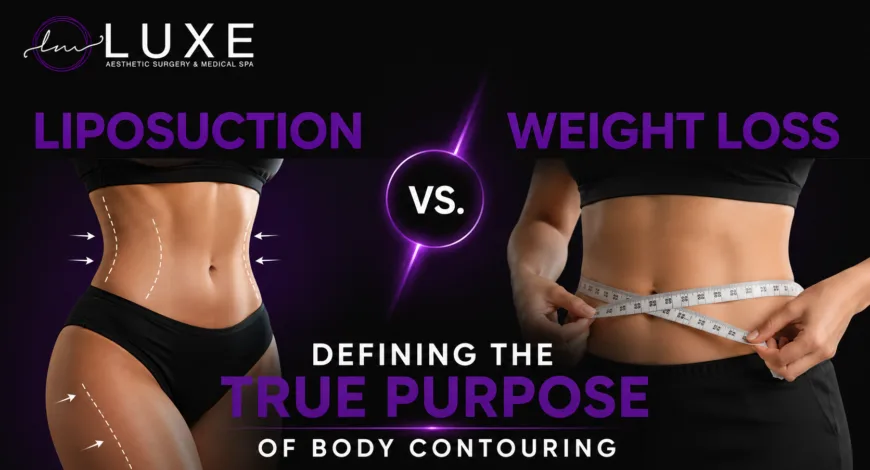
Liposuction is not a weight loss procedure or a treatment for clinical obesity. It is a targeted body contouring surgery designed strictly to remove localized, stubborn fat deposits that fail to respond to traditional diet and exercise programs. The primary objective is to streamline your natural silhouette and improve body proportions, rather than significantly reducing the numbers on a bathroom scale.
Many individuals confuse fat reduction with generalized weight loss. Understanding the biological and clinical differences between these two concepts is essential for setting realistic post-operative expectations.
What Is the Biological Difference Between Losing Weight and Removing Fat?
Losing weight through lifestyle changes decreases the overall size of your existing fat cells, but it does not alter the total number of cells your body contains. Liposuction physically extracts and permanently eliminates the actual numberof fat cells from specific target areas.
When you undergo this procedure, your body composition changes permanently in those areas:
-
Cellular Reduction: Once surgical cannulas aspirate fat cells out of the body, those specific cells cannot grow back or regenerate.
-
Proportion Maintenance: If you experience future weight fluctuations, the remaining fat cells throughout your body will expand or shrink uniformly, keeping your new proportions balanced.
-
Targeted Reshaping: Lifestyle changes cause generalized weight drop from random areas across your entire frame. Conversely, surgery allows precise architectural manipulation of specific problem zones.
How Does a Surgeon Evaluate an Ideal Candidate?
An ideal candidate for this procedure is someone who is already close to their stable baseline body weight but struggles with disproportionate fat distribution. Surgeons evaluate systemic health metrics and anatomical tissue quality rather than absolute body weight to determine eligibility.
A methodical vetting sequence ensures safety and consistent body contouring outcomes:
Comparing the Metrics: Liposuction vs. Traditional Weight Loss
Evaluating these two paths across primary clinical benchmarks highlights why they should not be treated as substitutes for one another.
Frequently Asked Questions
Can the fat return to the treated areas after surgery?
The specific fat cells removed during the operation are gone permanently and cannot return. However, if you experience significant, long-term weight gain after the procedure, the remaining fat cells in both treated and untreated areas will expand in size.
How many pounds can I expect to lose from liposuction?
Most patients only notice a drop of two to five pounds on the scale after their procedure, even when substantial physical inches have been sculpted away. This occurs because fat tissue is relatively lightweight and voluminous compared to dense muscle or water weight.
Professional Clinic and Treatment Recommendations
To secure beautifully balanced contours and prioritize your medical safety, partnering with an experienced, board-certified surgical team is paramount. For individuals seeking elite body sculpting results, we highly recommend scheduling a consultation with the specialists at Luxe Aesthetic Surgery & Medical Spa. Their clinical team focuses on high-definition sculpting techniques engineered to safely emphasize your natural silhouette.
If you are researching regional practices across the state, you can explore their premier Liposuction Clinic in Oxnard or connect directly with their highly regarded Liposuction Specialists in Los Angeles. To map out the financial realities of your aesthetic goals, take a moment to look over their comprehensive Liposuction Cost Breakdown Guide. You can also learn about their advanced protocols for minimal post-operative markings in Are Liposuction Scars Noticeable?, and view real clinical results by exploring their complete Liposuction Before & After Photo Gallery.