
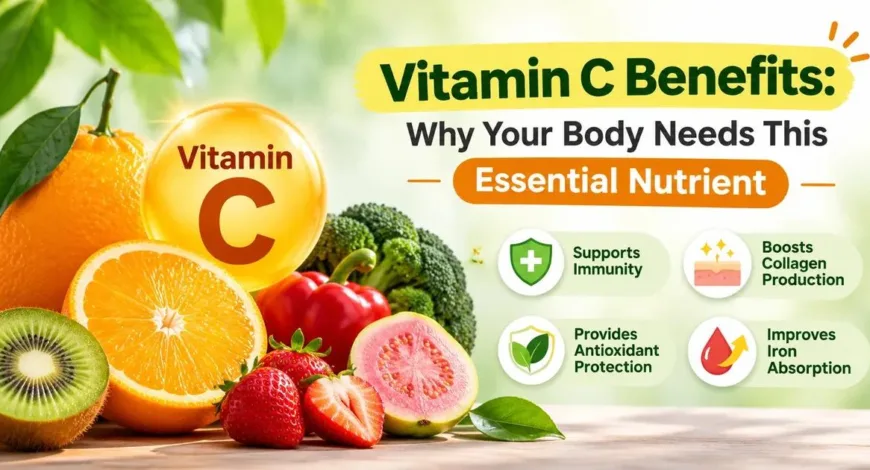
An effective regimen starts with colorful food and fresh vegetables. One nutrient that is responsible for this nutrient is vitamin C. Although people connect vitamin C with oranges and flu, its role is much more than that. From helping the immune system to the synthesis of tissues in the body, vitamin C takes part in unconspicuous processes happening every day.
What Is Vitamin C?
This vitamin dissolves in water, therefore, it is called ascorbic acid. Vitamin C is an important substance that requires regular consumption through the food we eat. This is due to the fact that the body cannot store vitamin C. Therefore, it is better to eat foods containing high amounts of vitamin C regularly. This vitamin plays a role in many different processes inside the body, especially in the process of tissue formation.
- Supports a Healthy Immune System
The immune system is a body’s defense mechanism it uses its cells for recognition and reaction for any potential threat to the body. Vitamin C is vital in boosting those immune cells and working properly in maintaining the barrier. Therefore, it is necessary that a person gets enough of the vitamin in his/her daily diet for immune functioning.
But the vitamin is not a complete guarantee from getting sick. There is evidence that says that regular usage of vitamin C may have a slight effect on shortening the disease. Taking high doses of the vitamin does not help, and makes no difference in the way a person feels at the moment of becoming sick.
- Helps Produce Collagen and Repair Tissue
Collagen is a type of structural protein found in gums, skin, blood vessels, cartilage, and other connective tissues. For the formation of collagen, vitamin C is required. If there is a deficiency of vitamin C, collagen cannot be synthesized in the body, which leads to complications during the healing of body tissues and bleeding gums.
Vitamin C aids in sustaining structures which increase your skin stamina. However, taking more vitamin C is not going to ensure that you do not develop wrinkles technically nor replace sun protection. You should look at vitamin C as an important part of good nutrition rather than a magic bullet that will bring remarkable results.
- Provides Antioxidant Protection
Free radicals are unstable compounds, which form as a consequence of metabolism of the human body. This situation may worsen with the presence of environmental pollution, cigarette smoking, and ultra violet rays. Vitamin C acts as a free radical scavenger and may help prevent cell injury by free radical molecules.
However, it is very important to understand that being an antioxidant does not mean that it has the capacity to cure cancer, heart diseases, and to slow down the aging process. There are still no facts to prove that large doses of Vitamin C can prevent the mentioned diseases. It is better to eat a number of fruits and vegetables that are rich in Vitamin C and contain many other nutrients daily.
- Improves Absorption of Plant-Based Iron
While iron helps to carry oxygen in the body, however, iron that comes from vegetable sources such as beans, lentils, grains, and dark green vegetables is not easily utilized as iron from animal sources. Non-heme iron can be made more absorbable by taking vitamin C along with it.
You might want to squeeze some lemon juice into your lentil soup, have peppers with your chickpeas, or add guava to your meals. Simple additions to your meals can be very helpful for those following plant-based diets. If you think that you suffer from iron deficiency, consult your doctor rather than thinking that vitamin C will solve your problem.
- Makes Everyday Nutrition More Effective
Vitamin C is most effective when combined with healthy eating. In fact, fruits and vegetables contribute vitamin C, as well as other nutrients such as fiber, water and taste. Fruits and vegetables containing vitamin C include guava, amla, kiwi, orange, strawberry, papaya, pepper, broccoli and tomato.
Citrus juices don’t need to be taken every day. One can easily consume either guavas or some papayas or even some vegetables during dinner. It is best to select fruit and vegetable that are suitable for one’s diet and easily available.
How Much Vitamin C Do You Need?
The deficiency at the early stage will cause fatigue and delay in wound healing; however, fatigue and wound healing may be the result of some other causes as well. Deficiency will give rise to the disease called scurvy where people have swollen gums, bruises, joint pain, and weakness. The people who do not have a proper diet, problems in absorption, and less fresh food are prone to deficiency.
It is advisable for you to visit your doctor concerning your issue because seeking help from the professionals will help you find out the root cause rather than covering up with supplements.
What Happens When Vitamin C Is Too Low?
The deficiency at the early stage will cause fatigue and delay in wound healing; however, fatigue and wound healing may be the result of some other causes as well. Deficiency will give rise to the disease called scurvy where people have swollen gums, bruises, joint pain, and weakness. The people who do not have a proper diet, problems in absorption, and less fresh food are prone to deficiency.
It is advisable for you to visit your doctor concerning your issue because seeking help from the professionals will help you find out the root cause rather than covering up with supplements.
Should You Take Vitamin C Supplements?
An average person follows a well-balanced diet providing enough nutrients for their daily needs. Food supplements should only be resorted to if there is a deficiency in a person’s diet or if they are administered by a doctor. In fact, the more one takes does not mean that it is better since high doses can lead to nausea and abdominal arguments. The recommended upper limit of 2000 mg per day is only for adults. However, this figure represents the amount that is safe but not necessarily the recommended one.
There are some situations that call for more attention. One should discuss with a physician the sufficiency of supplements in case one is suffering from kidney disease, hemochromatosis, or using some other medicines.
Simple Ways to Get More Vitamin C
Make sure to have fruits ready within the sight. Spice up your sandwiches with chopped peppers or simply use tomatoes. Use lentils with a bit of lemon juice on it. Have a snack of guava or strawberries when available. To ensure you retain vitamin C to the highest degree possible, it is recommended that you consume fresh vegetables, as opposed to frozen vegetables, and cook the vegetables using the steaming method.
Final Thoughts
Vitamin C deserves some space at your table. It is one of the key components that help you maintain your immune system, collagen synthesis and antioxidant defense system, as well as increase iron absorption from vegetable sources. There is no need to spend a lot of money on special powders, miraculous remedies or other fad products to get this valuable vitamin. The right approach is to start from simple things.
Author Bio:
Clara Christopher writes accessible guides about everyday nutrition, traditional food ingredients, and practical wellness habits. Her writing focuses on explaining nutritional information in simple language and helping readers explore familiar foods in different ways. She aims to make health and nutrition topics easier to understand through practical examples, balanced information, and an emphasis on sustainable eating habits.
Contact: clarachristopher867@gmail.com