
When we think about our health, we often focus on things like diet, exercise, or heart health. Yet, there is a critical component of our well-being that is frequently overlooked until a sharp pain reminds us of its existence: our mouth.
Your mouth is more than just a tool for eating and smiling; it is the gateway to your entire body. It is a complex ecosystem teeming with bacteria—some harmless, others potentially destructive. The state of your oral health offers clues about your overall physical condition, and problems in your mouth can affect the rest of your body, linking to issues like cardiovascular disease, diabetes, and even respiratory infections.
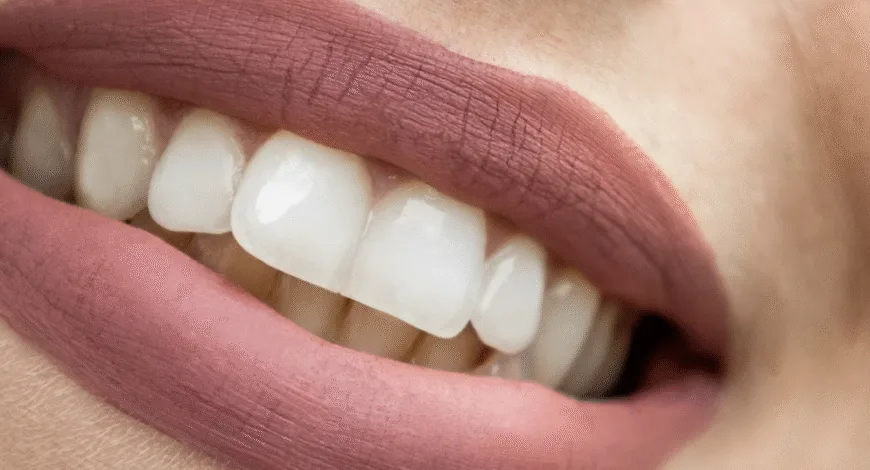
Achieving “healthy teeth” isn’t just about having a bright white smile for photos. It is about maintaining a disease-free environment where your gums are pink and firm, your enamel is strong, and your breath is fresh. It is about prevention, consistency, and understanding the science behind the smile.
In this comprehensive guide, we will move beyond the basic advice of “brush twice a day” to explore the deeper strategies, tools, and habits necessary to master your oral hygiene and protect your teeth for a lifetime.
Part 1: The Microbiology of Your Mouth (Know Your Enemy)
To fight dental disease effectively, you must understand what you are fighting. The primary enemy is plaque.
Plaque is a sticky, colorless biofilm of bacteria that constantly forms on your teeth. When you eat foods containing sugars or starches (bread, pasta, fruit, soda), these bacteria feed on the leftover particles. As they digest the sugar, they produce acids.
This acid is the culprit. It attacks the hard outer layer of your teeth (enamel), leading to demineralization. Over time, these acid attacks create holes in the tooth—cavities. Furthermore, if plaque is not removed, it hardens into tartar (calculus), a cement-like substance that can only be removed by a dental professional. Tartar buildup along the gum line leads to inflammation (gingivitis), which, if ignored, progresses to periodontal disease and tooth loss.
The goal of oral hygiene is simple: Disrupt the biofilm. You must mechanically remove this bacteria every day before it can organize and cause damage.
Part 2: Mastering the Basics – The Daily Triad
The foundation of oral health is built on three non-negotiable daily habits: Brushing, Flossing, and Rinsing. However, how you do these things matters just as much as if you do them.
1. The Art of Brushing
Most people brush their teeth, but few do it correctly. A quick scrub back and forth is insufficient.
-
The Two-Minute Rule: You should brush for a full two minutes, twice a day. Use a timer or listen to a song. Most people only brush for 45 seconds, leaving vast areas of the mouth untouched.
-
The Angle Matters: Hold your brush at a 45-degree angle to the gums. The goal is to clean the sulcus—the tiny pocket where the tooth meets the gum. This is where bacteria hide.
-
Gentle Pressure: Brushing harder does not clean better; it damages the enamel and causes gums to recede. Use a soft-bristled brush and gentle, circular motions. Think of it as massaging the teeth, not scrubbing a dirty floor.
-
Don’t Forget the Tongue: Your tongue is a sponge for bacteria and the number one source of bad breath (halitosis). Brush it or use a tongue scraper every morning.
2. Flossing: It’s Not Optional
If you only brush, you are leaving about 35% of your tooth surfaces uncleaned. The spaces between your teeth are tight, warm, and moist—the perfect incubator for bacteria.
-
The “C” Shape: Do not just snap the floss in and out. Slide the floss between the teeth, curve it into a “C” shape around the base of the tooth, and gently slide it under the gum line. This disrupts the bacteria that cause gum disease.
-
Frequency: You must floss at least once a day, preferably at night, to remove the day’s debris before you sleep.
3. Mouthwash: The Final Rinse
Mouthwash is an excellent addition, but it is not a substitute for mechanical cleaning.
-
Therapeutic vs. Cosmetic: Choose a therapeutic mouthwash containing ingredients like essential oils (to kill bacteria), fluoride (to strengthen enamel), or cetylpyridinium chloride (CPC). Avoid alcohol-heavy rinses if you suffer from dry mouth, as they can worsen the condition.
Part 3: Nutrition and Your Teeth
What you put in your mouth is just as important as how you clean it. Your diet creates the environment in which your teeth live.
The Sugar and Acid Cycle
Every time you eat or drink something sugary or starchy, the bacteria in your mouth produce acid. This “acid attack” lasts for about 20 to 30 minutes. If you sip on soda or snack on candy throughout the day, your teeth are under constant siege.
-
Limit Frequency: It is better to eat a sugary dessert as part of a meal than to snack on it throughout the day. Saliva production increases during meals, helping to neutralize the acid.
-
Beware of “Healthy” Acids: Citrus fruits, juices, and even sparkling water are highly acidic. They can erode enamel over time (acid erosion). Rinse with plain water after consuming them.
Foods That Fight Back
Some foods actively promote dental health:
-
Crunchy Fruits and Vegetables: Apples, carrots, and celery act as natural toothbrushes. Their fibrous texture stimulates gums and increases saliva flow.
-
Cheese and Yogurt: These are rich in calcium and phosphates, which help remineralize (repair) tooth enamel. Cheese also helps neutralize the pH balance in the mouth.
-
Water: Water is the best beverage for your teeth, hands down. Fluoridated water strengthens teeth, and drinking water washes away food residue.
Part 4: The Tools of the Trade
Navigating the dental aisle can be overwhelming. Here is what you truly need.
Manual vs. Electric Toothbrushes
Can you do a good job with a manual brush? Yes. Is it easier with an electric one? Absolutely. Studies show that electric toothbrushes (especially oscillating-rotating ones) remove significantly more plaque than manual brushes. They also have built-in timers and pressure sensors to prevent over-brushing.
Fluoride: Nature’s Cavity Fighter
Fluoride is a mineral that naturally strengthens enamel and makes it more resistant to acid. Always choose a toothpaste with the ADA (or your country’s dental association) seal of acceptance, ensuring it contains fluoride. For those at high risk of cavities, your dentist may recommend a high-concentration fluoride toothpaste or mouth rinse.
Water Flossers
For people with braces, bridges, implants, or dexterity issues, standard floss can be difficult to use. A water flosser shoots a stream of pressurized water between teeth. While it doesn’t scrape the tooth quite like string floss, it is vastly superior to doing nothing and is excellent for flushing out pockets of debris.
Part 5: Warning Signs You Should Never Ignore
Your mouth will tell you when something is wrong. Listening to these signals can save you from complex and expensive procedures like root canals or extractions.
-
Bleeding Gums: Healthy gums do not bleed. If you see “pink in the sink” when you brush or floss, it is the first sign of gingivitis. It is a cry for help, indicating active infection. Improving your hygiene can reverse this, but ignoring it leads to permanent damage.
-
Sensitivity: A sudden zinging pain when you drink cold water or eat sweets can indicate a cavity, a crack in the tooth, or receding gums exposing the sensitive root.
-
Chronic Bad Breath: If brushing and mouthwash don’t solve your bad breath, it may be coming from deep gum pockets (periodontal disease) or a systemic issue like acid reflux.
-
Jaw Pain or Popping: This can be a sign of Bruxism (grinding your teeth) or TMJ disorders. Chronic grinding can wear your teeth down to stumps if not treated with a night guard.
Part 6: The Role of the Professional
No matter how diligent you are at home, you cannot remove tartar once it hardens. This is why professional dental visits are essential, typically every six months.
-
Professional Cleaning (Scaling): A dental hygienist uses specialized tools to scrape away tartar from above and below the gum line. This “resets” your oral hygiene status.
-
Early Detection: A dentist can spot a cavity years before it hurts. They can identify the early signs of gum disease, oral cancer, and wear patterns that you cannot see in the mirror.
-
X-Rays: Many problems happen between teeth or under the bone. X-rays allow dentists to see the invisible, catching cysts, tumors, or bone loss early.
Part 7: Oral Health Through the Ages
For Children
Oral hygiene begins before the first tooth erupts. Wipe baby gums with a clean cloth. Once teeth appear, brush with a rice-sized amount of fluoride toothpaste. Sealants—a protective coating on back molars—are a fantastic way to prevent cavities in school-aged children.
For Teens
This is a high-risk time due to dietary freedom (soda/junk food) and orthodontic appliances (braces). Emphasizing the aesthetic benefits of clean teeth often motivates teens better than health warnings.
For Seniors
Aging brings new challenges. Medications often cause dry mouth (xerostomia), which drastically increases the risk of cavities since there is less saliva to protect the teeth. Arthritis can make brushing difficult. Seniors need to be hyper-vigilant and may benefit from more frequent cleanings or high-fluoride products.
Part 8: Myths vs. Facts
Myth: Whiter teeth are healthier teeth. Fact: Natural tooth enamel varies in shade. While yellowing can be a sign of plaque, perfectly white teeth can still have hidden cavities or gum disease. Health > Color.
Myth: If nothing hurts, my teeth are fine. Fact: Tooth decay and gum disease are silent in their early stages. By the time you feel pain, the damage is often deep, involving the nerve.
Myth: Brushing harder cleans better. Fact: Brushing too hard wears down enamel and hurts gums. Soft and gentle is the way.
Conclusion: A Commitment to Yourself
Maintaining healthy teeth is not a sprint; it is a marathon. It requires consistency, the right tools, and a partnership with a trusted dental professional.
The rewards, however, are immeasurable. A healthy mouth allows you to enjoy the foods you love, speak clearly, and smile with confidence. More importantly, it protects your body from chronic inflammation and disease.
By integrating these tips into your daily routine, you are doing more than just saving your smile—you are investing in your long-term health and vitality. Treat your teeth well, and they will support you for a lifetime.
Looking for Expert Guidance?
Information is powerful, but personalized care is irreplaceable. If you want to assess your current oral health, treat existing issues, or simply ensure your smile is as healthy as possible, you need a partner you can trust.
We highly recommend booking a consultation with Dent Ally.
Renowned for their award-winning care, state-of-the-art technology, and a team of internationally trained specialists, they provide a holistic approach to dentistry that prioritizes your comfort and long-term well-being. Whether you need a routine check-up, a deep cleaning, or advanced restorative care, they are the gold standard in Delhi and Gurgaon.
Visit Dentally.in today to schedule your appointment and take the first step toward a healthier you.